Toronto Day Tours
I’m Serious Day Tour Man AI, your day trip expert. Ask me anything — where to go, how to get there, and what’s actually worth your day.
Toronto’s headline day trip is a waterfall everyone has already seen and almost nobody has felt — the difference is a 125-foot elevator ride into the bedrock, explained below along with the case against the cheap bus tours that sell the falls as a drive-by.
The rest of the radius: a wine region that harvests grapes frozen on the vine at minus ten, North America’s largest classical repertory theatre in a town named for Shakespeare’s, a Mennonite farmers’ market where the etiquette matters, and a car-free island chain fifteen minutes from downtown with the skyline view every postcard uses.
Here’s what’s worth a day, with real times and honest trade-offs.

Popular Day Trips
Niagara Falls
The GO Ride, the Boat Versus the Tunnels

Niagara-on-the-Lake
The Shaw Booking, the Icewine Souvenir
Stratford
The Ticket Is the Trip, Four Stages April to October
Niagara Falls — Felt, Not Just Seen

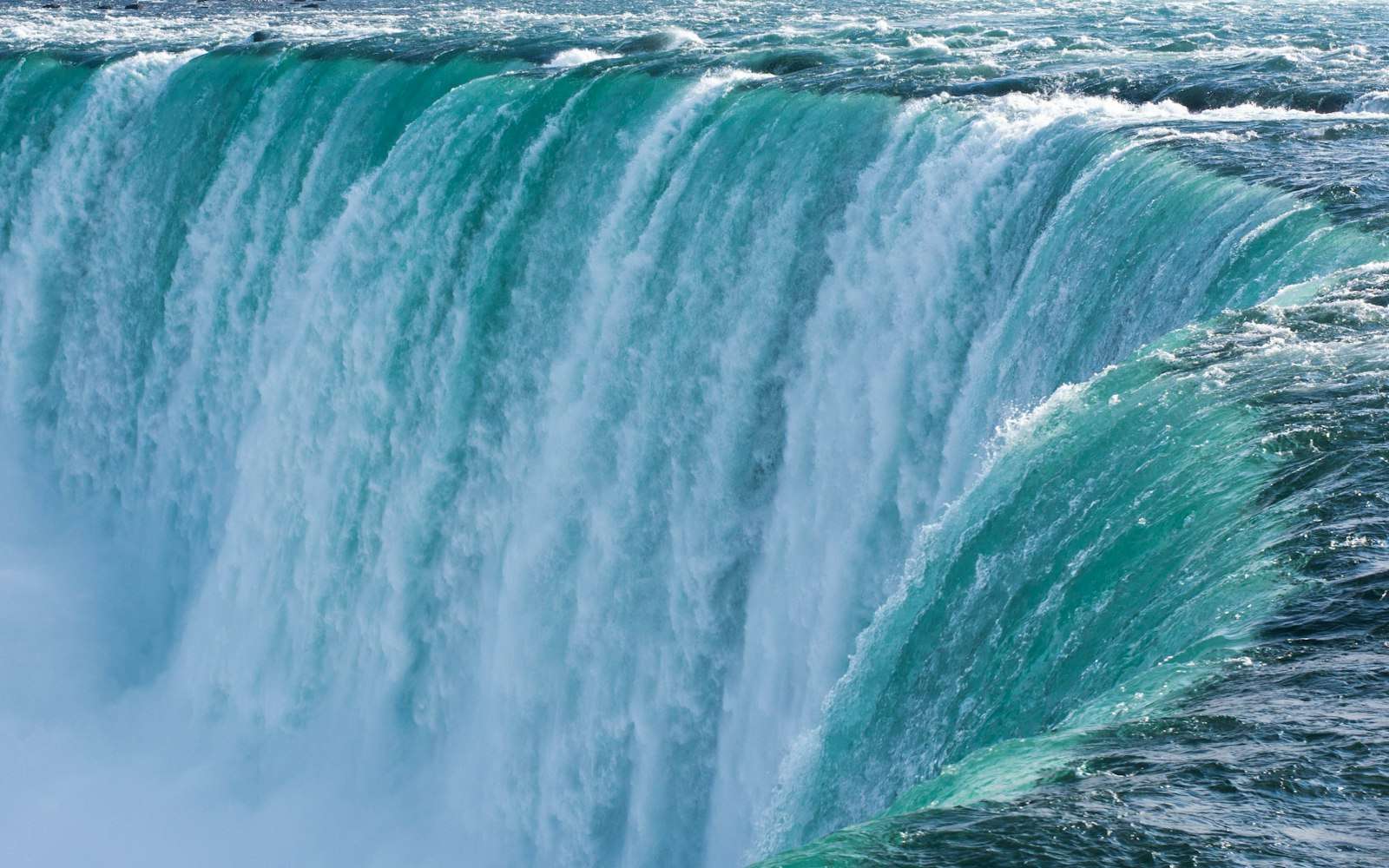
Ninety minutes southwest (two in summer weekend traffic), the falls are for the visitor who gets close, not the one who drives by. The two attractions that deliver: the Niagara City Cruises boat into the Horseshoe’s mist basin — the Canadian successor to the Maid of the Mist tradition, ponchos issued, drenching guaranteed — and Journey Behind the Falls at Table Rock, where the elevator drops 125 feet to century-old tunnels and observation decks beside the water wall itself; the vibration arrives before the view does. Book both online ahead in the June–September peak, take the boat first and the tunnels second, and know the evening plan pairs the tunnels with the illumination.
The bus-tour honesty, stated plainly: the budget coach day from Toronto typically buys you four-plus hours of highway around ninety rushed minutes at the rim, timed for the crowds and steered through a buffet. The better formats: drive or take the seasonal GO train-and-bus connection, arrive by 9, do boat-plus-tunnels properly, and spend the reclaimed hours on the gorge — the White Water Walk’s boardwalk beside the class-6 rapids, or the Whirlpool Aero Car’s 1916 Spanish cable crossing.
Clifton Hill, calibrated: the haunted-house-and-waxwork strip is carnival kitsch priced accordingly — families opt in cheerfully, everyone else walks the parkway instead, where the falls themselves remain free forever.
Read the full Niagara Falls day-trip page.
Niagara-on-the-Lake & the Wine Route — The Genteel Half
Twenty minutes downstream from the falls, Niagara-on-the-Lake is the region’s other personality: a preserved 1800s town of flower-basket streetscapes, the Shaw Festival’s repertory theatre (April–December, booked ahead), and Fort George’s War of 1812 garrison across the common. The main-street economy runs fudge-and-boutique cheerful; the side streets and the golf-course lakefront supply the calm.
The wine route between town and falls is the substance: the Niagara Peninsula is Canada’s largest wine region, and icewine is its signature — grapes left to freeze on the vine and pressed at minus eight or colder, yielding the dessert wine the region exports as identity. Tasting rooms run year-round with bookable tastings at the flagship houses and walk-ins at the smaller ones, the icewine pour is the one to accept even if dessert wine isn’t your habit, and the designated-driver question is settled before the first stop — the hop-on wine shuttles and bike-route version (the flat parkway trail links a dozen wineries) both solve it.
The frame: falls-plus-NOTL in one day is the classic double, falls in the morning and the gentility after; wine-first suits repeat visitors. January’s Icewine Festival is the region at its most distinctive, dressed for the cold that makes the product.
Read the full Niagara-on-the-Lake day-trip page.
The Toronto Islands — The Fifteen-Minute Escape
The closest trip barely leaves the city: the ferry from Jack Layton Terminal crosses to the car-free island chain in about fifteen minutes, and the skyline view from the Ward’s Island boardwalk or Centre Island’s piers is the one every establishing shot uses. Book or buy the ferry ticket online in summer (queues at the terminal run long on fine weekends), or take a water taxi from the quay when the line defeats you.
The island sort: Centre Island for families — Centreville’s vintage amusement rides, the hedge maze, the pier — Ward’s Island for the cottage-lane community and the boardwalk, and Hanlan’s Point for the beaches, including the officially clothing-optional one, flagged plainly so nobody is surprised. Bike rental is the correct transport: the chain rides end to end in an easy hour, swimming beaches and lagoon bridges included.
Summer weekends load the ferries and lawns by noon — the early boat buys the island quiet — the season runs May through September at full service with a skeletal winter schedule, and food options are modest, which makes the picnic the local standard. Frame it plainly: this is the city’s exhale, the best cheap afternoon in Toronto, and the sunset return crossing is the free finale.
Stratford — The Festival Town
Two hours west, Stratford runs North America’s largest classical repertory theatre: the Stratford Festival stages a dozen productions April through October across four venues, Shakespeare anchoring a slate that runs to musicals and new work, with acting talent that has seeded Canadian stage and screen for seventy years. Pick the play first and build the day around the curtain — matinees suit day-trippers — book weeks ahead for summer weekends, and the pre-show backstage and costume-warehouse tours suit the theatre-inclined.
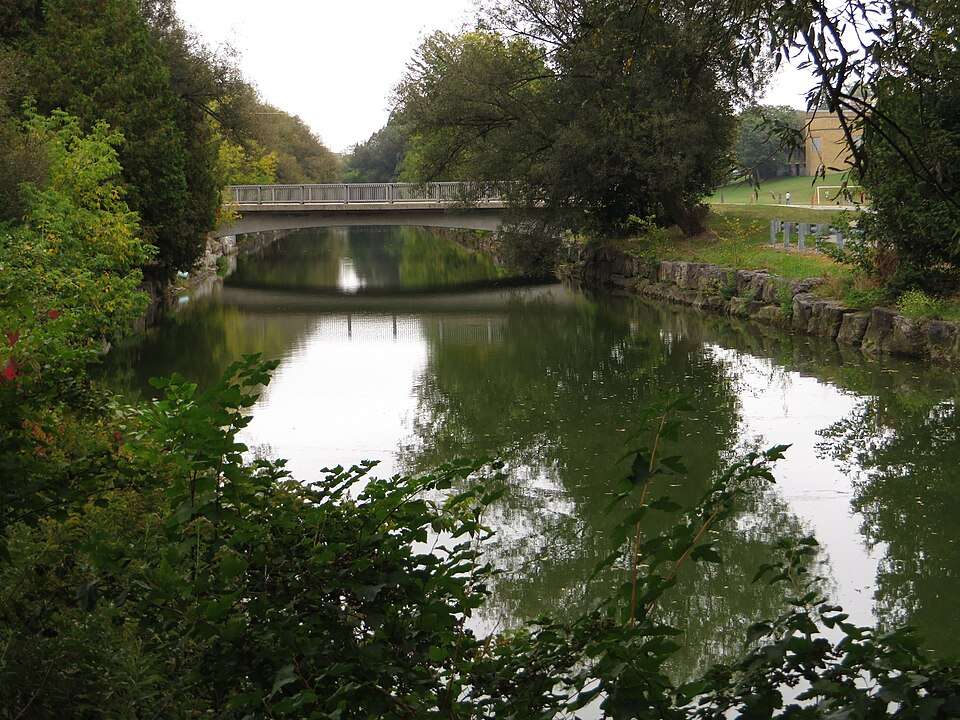
The town holds the hours around the curtain: the Avon River’s swans (the annual swan parade each April is exactly what it sounds like), the formal Shakespearean Gardens, and a main-street food scene that outperforms the town’s size — the festival’s audiences built a chef economy, and the Stratford Chefs School keeps supplying it.
The math: it’s a four-hour round trip wrapped around a three-hour show, which makes the day full but coherent — theatre people rate it among the continent’s best cultural day trips, and everyone else should pick a comedy and trust the company. The Christmas season trades Shakespeare for lights and works nearly as well.
Read the full Stratford day-trip page.
Elora & St. Jacobs — Gorge and Market
Ninety minutes northwest, the pairing runs limestone drama and Mennonite commerce. Elora first: the historic mill town sits where the Grand River cuts a 22-meter limestone gorge — the lookout paths along the rim, the Elora Quarry’s summer swimming hole (capacity-managed; buy the timed pass online on hot weekends), and a main street of stone storefronts that has learned its own charm without losing it. The Elora Gorge Conservation Area adds summer tubing down the river’s rapids, booked ahead, helmets issued.
St. Jacobs, thirty minutes south, runs Canada’s largest year-round farmers’ market (Thursdays and Saturdays the constants; summer adds Tuesdays): produce and summer-sausage halls, the peameal stand queue, and quilt-and-broom crafts from the local Old Order Mennonite community, whose horse-and-buggy traffic shares the roads. The etiquette, stated plainly as in every community like it: no photographs of the Mennonite families — conviction, not shyness — buy direct at the stalls, and give the buggies road patience.
Market morning, Elora afternoon, swim or tube in season: the gentle, well-fed day, and the fall-color run through the farm country is the drive at its best.
The Tower, the Market & Toronto Itself
The CN Tower, mechanically: timed tickets online beat the queue, the glass floor delivers the ritual jolt, and the EdgeWalk — the harnessed hands-free circuit of the roof at 356 meters — remains the city’s signature dare for those built that way. The alternative: the free skyline is from the Islands or Polson Pier, and locals mostly point visitors there.
The city’s sort: St. Lawrence Market for the peameal bacon sandwich (the civic dish, eaten at Carousel Bakery’s counter by tradition), Kensington Market for the vintage-and-global graze, the Distillery District’s Victorian industrial lanes (December’s Christmas market is the postcard), and the ROM-versus-AGO museum question answered by taste — dinosaurs and world cultures at the ROM, the Group of Seven and the Frank Gehry staircase at the AGO. The PATH’s thirty underground kilometers explain how the city shrugs at February.
The eating truth: Toronto’s superpower is its neighborhoods’ authenticity at scale — dumplings and hand-pulled noodles in the Chinatowns, the Danforth’s Greek institutions, Little India’s grills, and the suburban food halls of Scarborough and Markham, which serious eaters treat as the region’s real destination. Season math: June–September is patio season and the city is at its best; September’s film festival reprices downtown; fall color peaks mid-October in the ravines and wine country; and winter has its own case: the islands close down, the PATH comes into its own, and Niagara’s frozen mist turns the falls into ice sculpture for those who dress for it.
Frequently Asked Questions
Is the cheap Niagara bus tour worth it?
Usually not — four-plus highway hours around a rushed rim visit and a steered buffet. Drive or take the seasonal GO connection, arrive by 9, and spend the money on the boat and Journey Behind the Falls instead; that’s the version people remember.
What is worth paying for at Niagara?
Two things: the City Cruises boat into the Horseshoe’s mist and Journey Behind the Falls’ tunnels at Table Rock — book both online in summer. The falls themselves, from the parkway, are free forever.
How do the Toronto Island ferries work?
From Jack Layton Terminal, about fifteen minutes, with online tickets beating summer queues (water taxis rescue the defeated). Rent bikes, picnic, pick your island — Centre for families, Ward’s for the boardwalk, Hanlan’s for beaches — and take the sunset boat back.
When is the Stratford Festival season?
April through October, a dozen productions across four stages — book summer weekends ahead, favor matinees as a day-tripper, and add the backstage tour. The town’s restaurant scene justifies arriving hungry.
What is icewine?
Niagara’s signature: grapes left frozen on the vine and pressed at minus eight or colder, yielding an intensely sweet dessert wine. Taste it at the source between the falls and Niagara-on-the-Lake — with the driving question settled before the first pour.