Stratford from Toronto: The Ticket Is the Trip, Four Stages April to October, and Swans With a Municipal Job
Two hours west, a theatre town where the ticket is the trip — North America’s largest classical repertory company runs April to October across four stages. Book the show before you commit to the drive.
The short version
- The run is about two hours by car (401 west, then the 7&8 through the farm towns) or by direct train (viarail.ca) — with the alarm’s booking order absolute: show first, transport second.
- The Stratford Festival is the institution per the alarm: founded 1953 in a tent with Alec Guinness, now North America’s largest classical repertory theatre — a rotating April-to-October season of Shakespeare, classics, and musicals across the Festival, Avon, Tom Patterson, and Studio stages (stratfordfestival.ca).
- The repertory structure is the day-trip gift: multiple productions play in rotation daily, so a matinee-plus-evening double bill is a legitimate ambition — and the matinee-plus-dinner shape per the alarm is the standard single-show day.
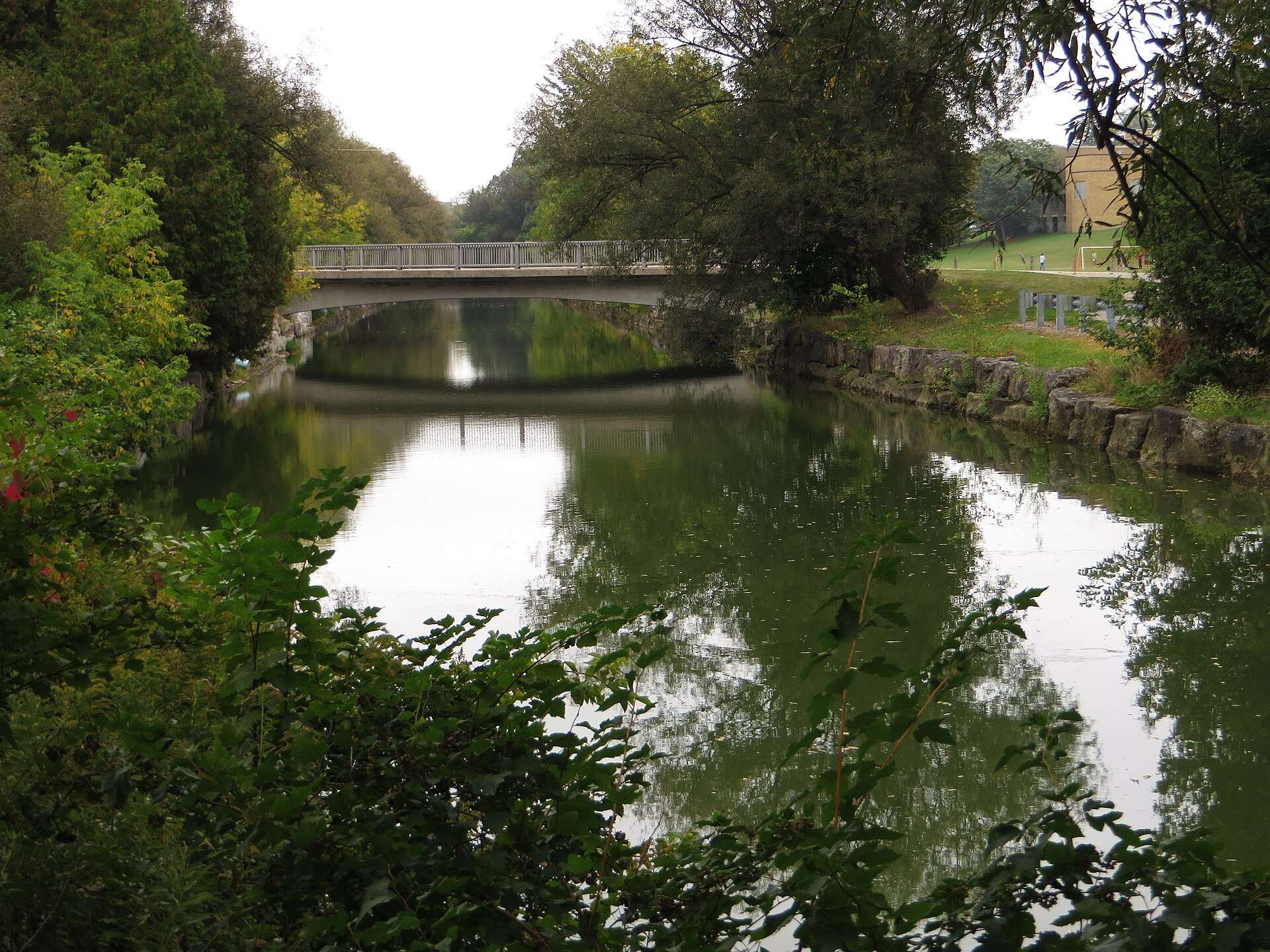
- The Avon’s swans per the alarm hold actual municipal celebrity: the town’s flock patrols the river park, the spring Swan Parade escorts them from winter quarters to the water with a pipe band, and the riverbank paths and paddleboats run the pre-curtain hour.
- The Shakespeare Gardens per the alarm are the free tier: a walled English garden of plants named in the plays beside the Avon, with the riverside sculpture and the town’s leaning-in street names (Romeo, Ophelia, Falstaff among them) completing the commitment to the bit.
- The town’s supporting economy rounds it: a serious restaurant scene built on the pre-theatre clock (booked alongside the tickets in peak season), the chocolate-and-bakery trail the alarm nods at, and costume-warehouse and backstage tours for the theatre-curious on non-show hours.

Getting there
The booking order per the alarm runs the whole plan: the season announces in winter, big titles and summer Saturdays sell first, and the show’s curtain time then dictates the drive or the train. The matinee day is the clean version — out by ten, curtain at two, dinner after, home by ten. The evening-show version per the alarm accepts the late 401 and budgets the coffee. Rail riders check the schedule against final curtains; the timetable photograph habit applies. Pre-theatre dinner reservations book with the tickets in July–August, not after.
The day
Arrive with the pre-curtain hours planned gentle: the Avon’s riverbank walked among the municipal swans, the Shakespeare Gardens’ walled quiet, paddleboats for the unhurried, and the York Street shops’ chocolate-trail errand. Lunch runs the bistro tier with one eye on the clock — the town’s kitchens understand curtains the way airport bars understand gates. The show is the day’s spine: the Festival stage’s famous thrust (the tent’s 1953 geometry made permanent) for the big classics, the smaller stages for the season’s sharper cuts. After: the matinee crowd takes dinner at liberated pace and drives home in daylight; the evening crowd takes the river at dusk, the curtain at eight, and the alarm’s long dark 401 with the promised coffee. Either shape, the ticket per the alarm was the trip — everything else was staging.
When to go
The season runs April to October: spring previews price gentler and pair with the Swan Parade; July–August runs the full four-stage repertory at capacity; September–October plays the season’s polished finals against the county’s harvest color. Mondays are traditionally dark — check before building the day. Off-season Stratford (November–March) is a pleasant county town with excellent restaurants and no reason to drive two hours, which is the alarm’s ticket-is-the-trip clause stated as a calendar.
Frequently Asked Questions
How good is the festival really?
Genuinely first-rank: it’s the continent’s largest classical repertory operation, a company of hundreds running top-flight Shakespeare alongside premieres and musicals, with alumni from Christopher Plummer through generations of Canadian and international stage careers. The thrust-stage Festival Theatre is itself a piece of theatre history. People fly in for it; two hours on the 401 is the cheap seat.
Can I really see two shows in one day?
Yes — the repertory schedule runs matinees and evenings across the stages most days in season, and the double bill is a beloved local sport: 2 p.m. classic, dinner, 8 p.m. musical, hotel or a very committed drive home. Day-trippers usually take the single-matinee shape per the alarm; doubles argue for the overnight.
What’s the Swan Parade?
Each spring the town escorts its swan flock from winter quarters back to the Avon behind a pipe band, with crowds lining the route — a genuine municipal ceremony performed with complete Canadian sincerity. The swans then spend the season as the riverbank’s unbothered celebrities per the alarm. It’s usually early April; the festival’s season opening roughly keeps it company.
Are the backstage tours worth it?
For theatre-minded visitors on a non-show morning, yes: the costume warehouse tour (tens of thousands of pieces from seven decades) and stage tours run set times and book ahead. They’re the deepest version of the town’s single industry — and a rainy-morning answer before a matinee.
Stratford or Niagara-on-the-Lake from Toronto?
Both documented on this network, and they’re the same species: NOTL runs the Shaw Festival with wineries attached; Stratford runs the bigger classical repertory with farm country around it. Shaw-and-icewine versus Shakespeare-and-swans — theatre people do both in a season, and the booking-first rule per each page’s alarm is identical.